
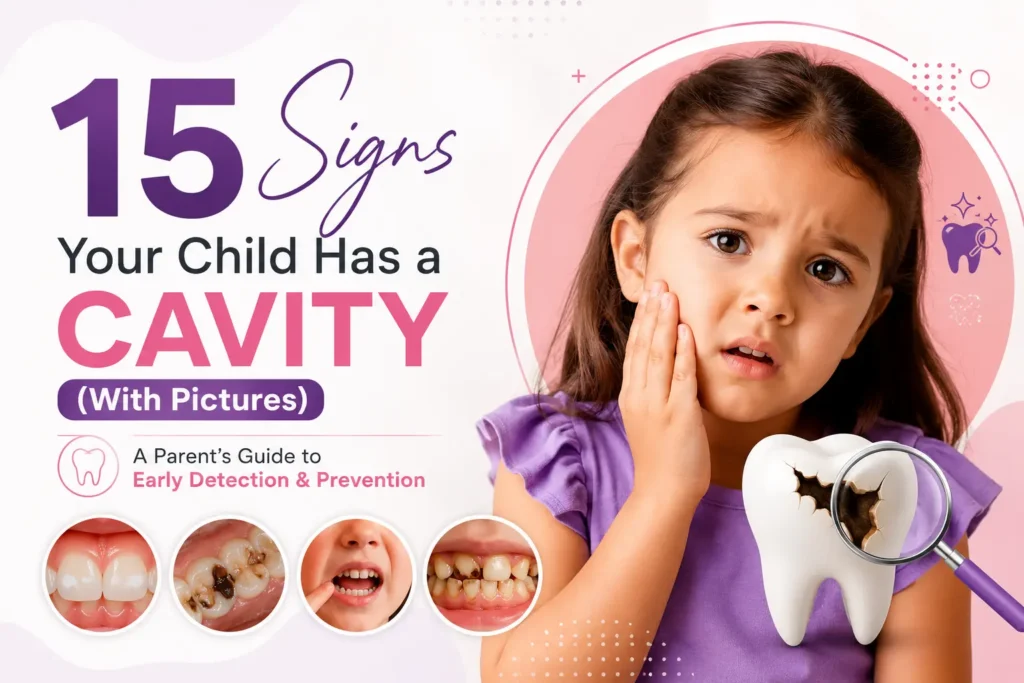
Spotting the signs your child has a cavity early can save your little one from pain, infection, and expensive dental work down the road. Childhood tooth decay is one of the most common chronic diseases in kids, yet many parents don’t notice a problem until it’s already causing discomfort. In this guide, our pediatric dental team walks you through the 15 most common warning signs — with pictures to help you know exactly what to look for — plus what to do if you spot them.
Table of Contents
- Why Catching Cavities Early Matters
- 15 Signs Your Child Has a Cavity
- When to See a Pediatric Dentist
- How to Prevent Cavities in Kids
- Final Thoughts
Why Catching Cavities Early Matters
Baby teeth may be temporary, but the damage a cavity causes is not something to ignore. Untreated decay can spread quickly in a child’s smaller teeth, leading to infection, tooth loss, and problems with the permanent teeth growing underneath. According to the Centers for Disease Control and Prevention, tooth decay is one of the most common chronic conditions among U.S. children. Knowing the early signs your child has a cavity means you can act before a small spot turns into a painful emergency.
15 Signs Your Child Has a Cavity
Below are the most common signs your child has a cavity, along with what each one typically looks like.
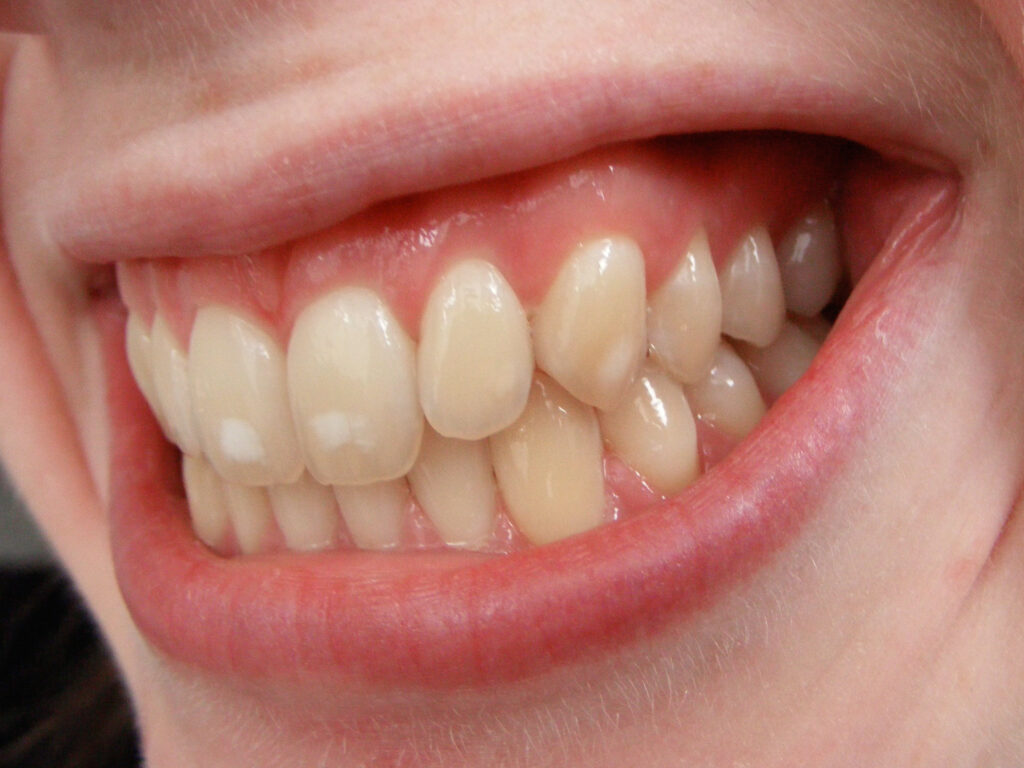
1. White or Chalky Spots on the Teeth
The very first sign of a cavity is often a dull, white, chalky patch on the tooth’s surface. This is the earliest stage of enamel demineralization, before a hole has even formed.
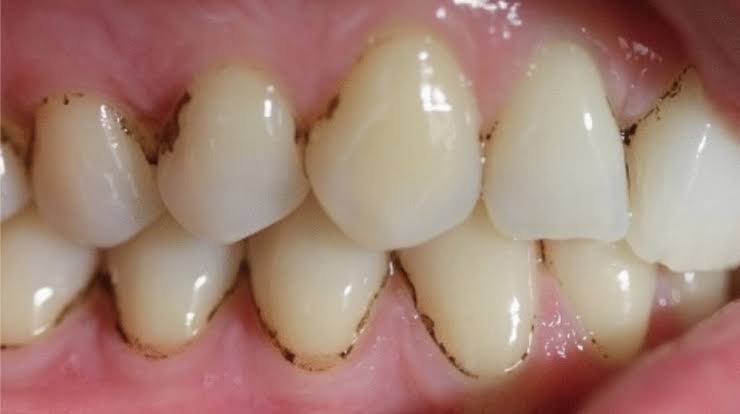
2. Brown or Black Spots
As decay progresses, white spots can darken into brown or black discoloration. These stains don’t brush away and usually mean the enamel has already started breaking down.
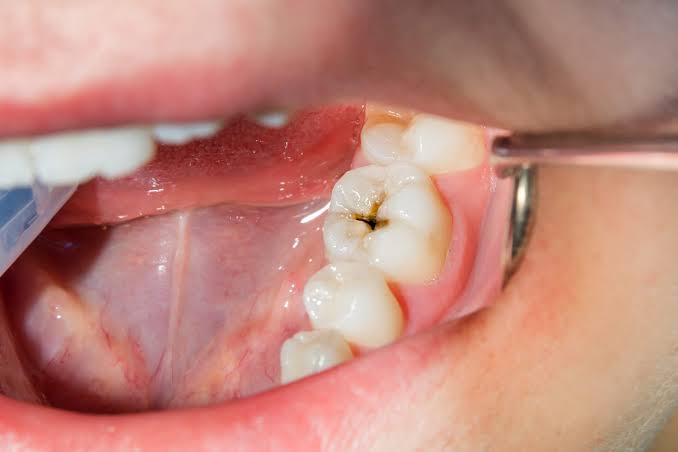
3. Visible Holes or Pits
A visible hole, pit, or dent in the tooth is one of the clearest signs your child has a cavity. At this stage, the decay has moved past the enamel and needs prompt treatment.
4. Complaints of Tooth Pain
If your child mentions a toothache, especially one that comes and goes, take it seriously. Pain often signals that decay has reached the sensitive inner layers of the tooth.

5. Sensitivity to Hot or Cold Foods
Wincing or refusing hot soup, ice cream, or cold drinks can point to nerve sensitivity caused by a cavity eating through the enamel.

6. Sensitivity to Sweets
Sharp discomfort specifically when eating sugary snacks is another classic red flag, since exposed dentin reacts strongly to sugar.

7. Persistent Bad Breath
Bacteria that cause tooth decay release odor-causing compounds. If brushing doesn’t fix your child’s bad breath, a hidden cavity could be the source.

8. Pain While Chewing
A child who suddenly chews only on one side of their mouth, or avoids certain foods, may be protecting a sore, decayed tooth.

9. Visible Food Trapping Between Teeth
Cavities often form where food gets stuck. If you notice the same spot trapping food repeatedly, it’s worth a closer look.

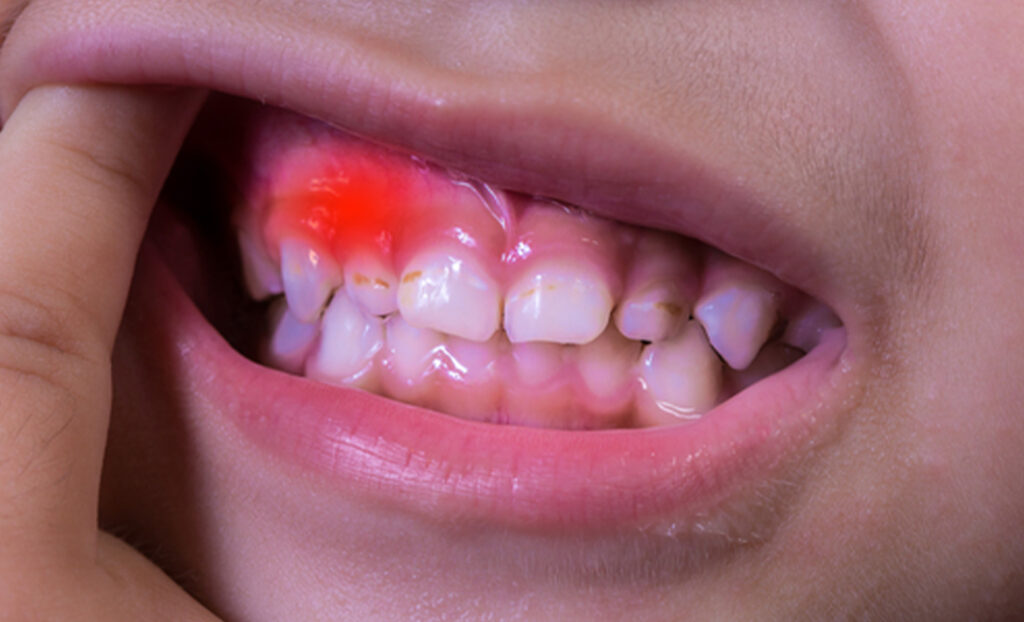
10. Swollen or Bleeding Gums Near a Tooth
Gum tissue next to a decayed tooth can become red, puffy, or bleed easily, especially if the decay has reached the root.
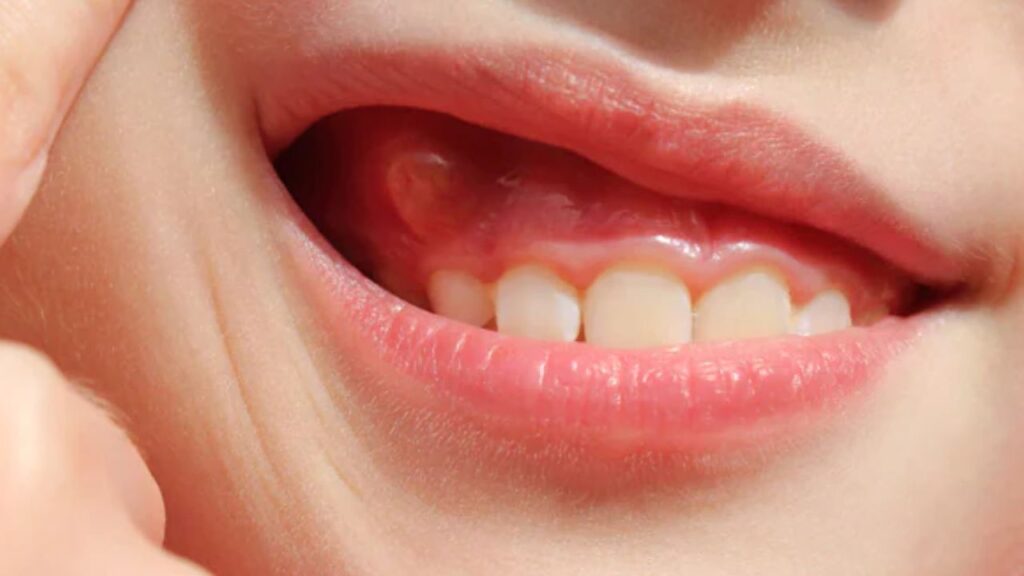
11. A Pimple-Like Bump on the Gums
A small, pus-filled bump (called a dental abscess) on the gum is a sign of serious infection and needs urgent care.
12. Reluctance to Brush a Certain Area
If your child flinches or resists brushing near one specific tooth, that localized sensitivity is often a giveaway.

13. Difficulty Sleeping Due to Mouth Pain
Nighttime tooth pain that disrupts sleep is common with advanced decay, since lying down can increase blood flow — and pressure — to an inflamed tooth.

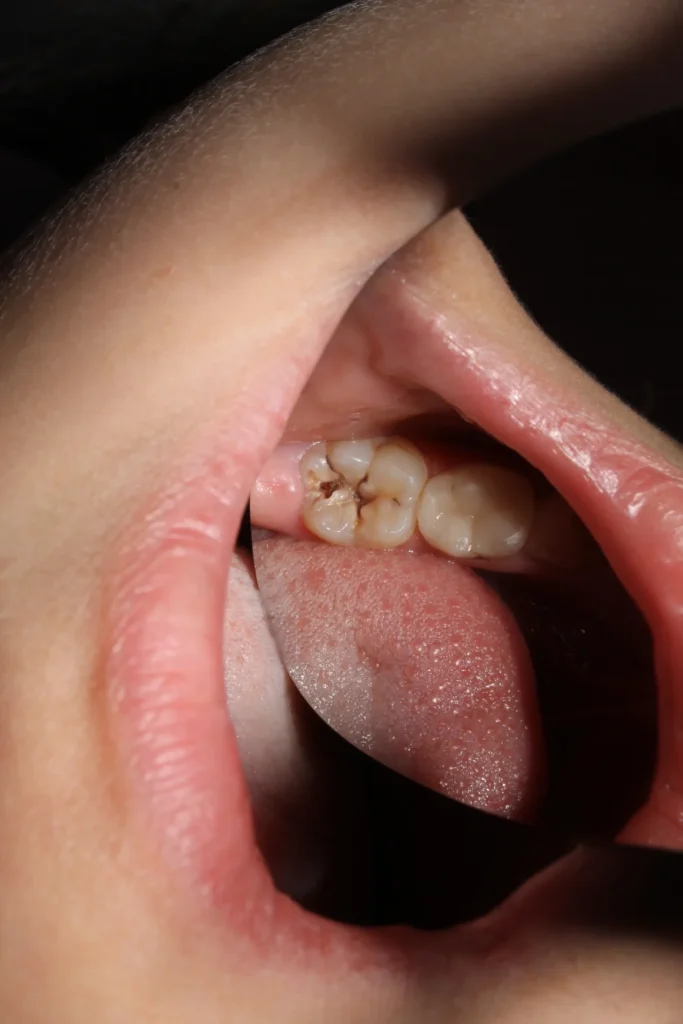
14. Visible Grooves or Lines on the Molars
Deep pits and fissures on the chewing surfaces of molars trap plaque easily and are prime spots for early decay to hide.
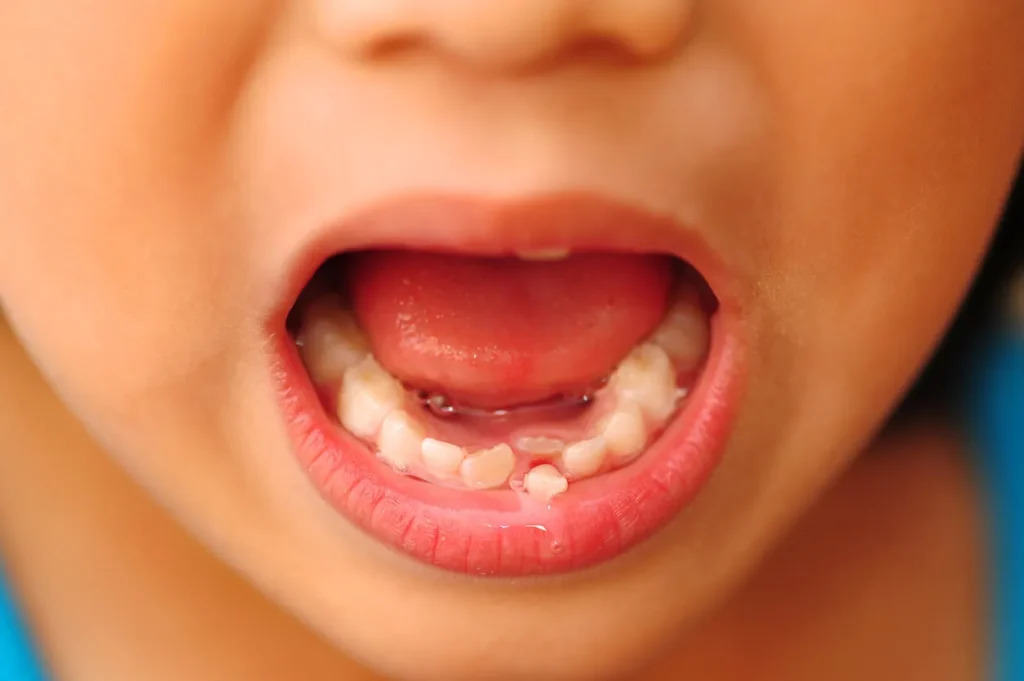
15. Loose Baby Tooth Before It’s Due
A baby tooth that becomes loose well before the expected age can indicate that decay or infection has weakened the tooth’s root structure.
When to See a Pediatric Dentist
If you’ve noticed even one or two of these signs your child has a cavity, don’t wait for it to get worse. Early-stage decay is often reversible or easy to treat, while advanced decay can mean root canals or extractions. Book a checkup with our pediatric dental team as soon as possible — early treatment is faster, gentler, and far less expensive than emergency care.
The American Academy of Pediatric Dentistry also recommends a child’s first dental visit by their first birthday, with regular six-month checkups afterward, so problems are caught long before symptoms appear.
How to Prevent Cavities in Kids
- Brush twice daily with a fluoride toothpaste appropriate for your child’s age
- Floss once a day, especially once teeth start touching
- Limit sugary snacks and juice between meals
- Ask your dentist about dental sealants for molars
- Schedule checkups and cleanings every six months
- Avoid sending kids to bed with a bottle of milk or juice
You can find more detailed brushing guidance from the American Dental Association.
Final Thoughts
Knowing the signs your child has a cavity puts you one step ahead of tooth decay. From subtle white spots to obvious pain, catching these symptoms early lets our team treat cavities while they’re still small and simple to fix. If your child is showing any of the warning signs above, schedule an appointment with our clinic today — a quick visit now can prevent a painful problem later.
This article is for general educational purposes and does not replace professional dental advice. Please consult a licensed pediatric dentist for diagnosis and treatment.